
6061-T6
Alu plade
A heat-treatable aluminum plate for machined components, base plates and general engineering. T6 combines useful strength with low weight and a broad range of fabrication options.
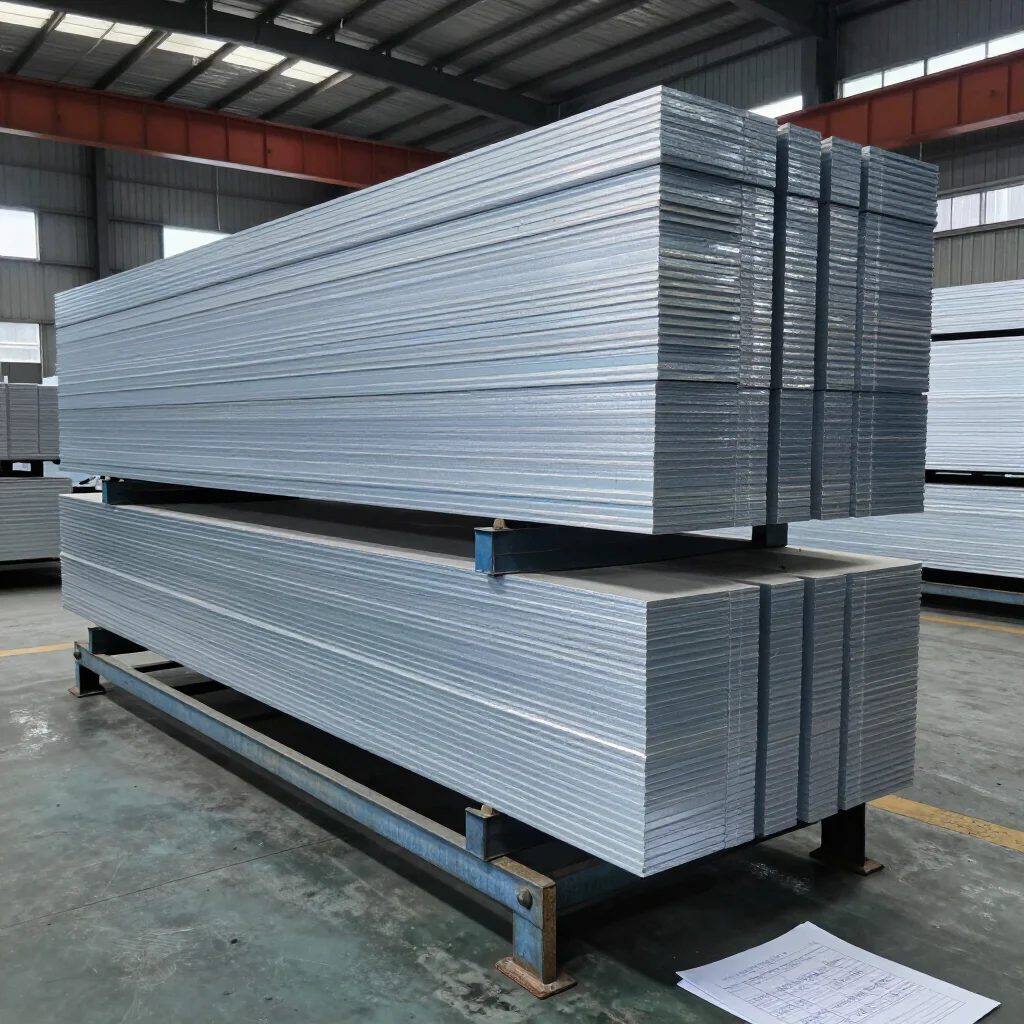
01 / MATERIAL OVERVIEWMaterial Features
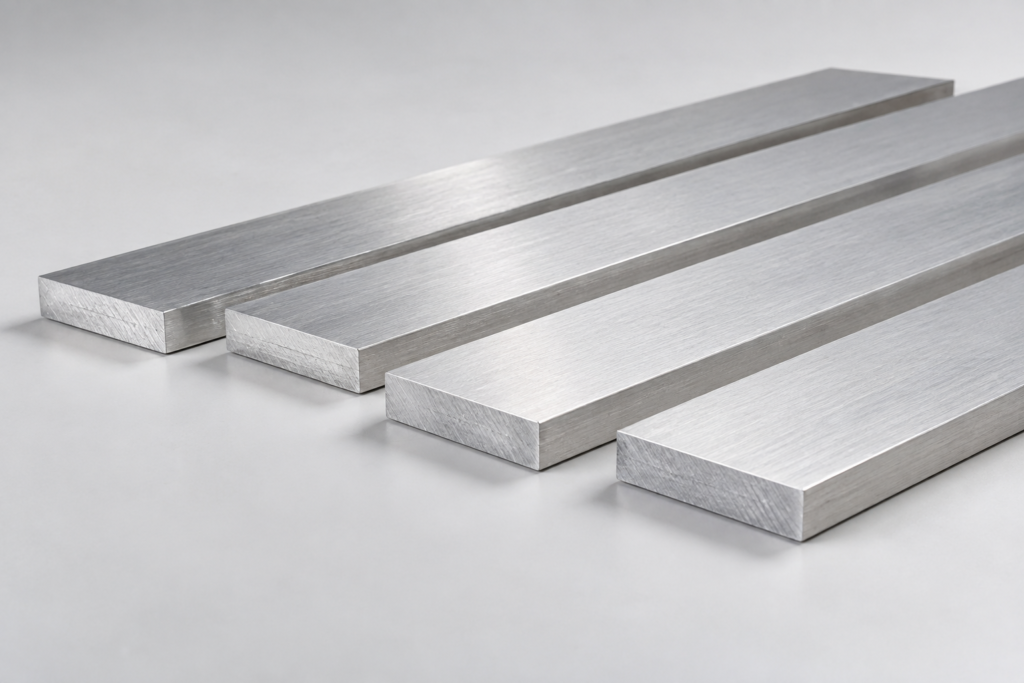
6061 uses magnesium and silicon as its principal alloying elements. It is widely selected for a practical balance of strength, machining performance, corrosion resistance and weldability. For narrow rectangular blanks, see 6061-T6 aluminum flat bar; compare 5052-H32 aluminum sheet for formed sheet-metal parts.
Machining Versatility
Suitable for milling, drilling and tapping. Plan tool access, workholding and allowances around the finished component.
Low Component Weight
An aluminum base plate can reduce assembly weight. Final stiffness still depends on thickness, span and support geometry.
Heat-Treated Strength
T6 is solution heat-treated and artificially aged. Specify the required mechanical properties for the actual thickness.
Welded Fabrication
Suitable welding procedures are available, but heat can reduce strength near the weld. Design for the completed welded condition.
Surface Options
Mill finish, brushed and anodized finishes can be discussed. Define the visible face and cosmetic acceptance criteria.
Dimensional Planning
T6 alone does not guarantee low residual stress or precision flatness. Specify stress relief and flatness separately when critical.
02 / TECHNICAL DATAMaterial Reference
| Item | Reference / requirement |
|---|---|
| Magnesium Mg | 0.8–1.2% |
| Silicon Si | 0.40–0.80% |
| Copper Cu | 0.15–0.40% |
| Chromium Cr | 0.04–0.35% |
| Aluminum Al | Balance |
Reference values support material selection. Confirm the complete chemistry, mechanical properties and acceptance criteria in the purchase specification and batch report.
03 / CONDITION & PERFORMANCESpecify the Right Condition
T6 identifies solution heat treatment followed by artificial aging. T651 additionally denotes stress relief by controlled stretching; it should not be substituted for T6 without confirming the order specification.
| Requirement | What to confirm |
|---|---|
| Material condition | Exact grade and temper or delivery condition |
| Mechanical properties | Applicable limits for the product form and dimensions |
| Inspection | Test method and required material documentation |
04 / DIMENSIONS & SUPPLYDimensions for Your Application
| Item | Ordering guidance |
|---|---|
| Thickness | Specify nominal thickness and tolerance |
| Width × length | Provide finished dimensions and cutting allowance |
| Flatness | Define the measurement method and acceptance limit |
| Surface | Mill finish or specified finishing requirements |
Provide dimensions in millimeters and identify whether they refer to incoming stock or finished parts. Available sizes, quantity and lead time are confirmed in the quotation.
05 / APPLICATIONSTypical Applications
Machine Base Plates
Mounting plates and structural panels with specified flatness and hole positions.
Jigs & Fixtures
General machining fixtures where strength, weight and stability suit the process.
Transport Components
Brackets and equipment parts designed for the actual loading and joining method.
Equipment Housings
Machined enclosures, covers and support panels.
Thermal Components
Heat-transfer parts where surface contact and geometry are considered.
General Fabrication
Cut blanks and fabricated assemblies made to a defined drawing.
06 / FABRICATION & FINISHPlan the Fabrication Route
| Operation | Details to define |
|---|---|
| CNC machining | Use balanced material removal where possible and inspect after unclamping. |
| Bending | T6 has less forming capacity than softer tempers; confirm bend radius and direction with trial pieces. |
| Welding | Select filler, joint preparation and final strength requirements for the assembly. |
| Surface finishing | Specify anodizing type, thickness, masking and color expectations. |
07 / PACKING & INSPECTIONPacking, Handling & Inspection
Protect the Material
Specify package size and unit weight for your handling equipment. Agree on edge protection, separation between pieces and moisture protection appropriate to the shipment.
Store & Handle Carefully
Store dry and supported. Keep contact surfaces and finished faces free from contamination and handling damage. Preserve labels for batch identification.
Check on Receipt
- Match grade, condition and batch identification to the order.
- Check quantity, dimensions and packaging condition.
- Inspect visible surfaces and edges before fabrication.
- Review the agreed material and inspection documents.
08 / FREQUENTLY ASKED QUESTIONSSelection FAQs
Is T6 the same as T651?
No. Both are aged conditions, but T651 includes a controlled stretching step for stress relief. Order the condition required by the drawing.
Will the plate remain flat after machining?
Machining can release residual stress. Confirm the temper, material-removal sequence and final inspection conditions.
Can it be welded?
Yes, using an appropriate procedure. Account for changes in strength around the weld.
09 / ORDERING GUIDESend a Complete Specification
Please include: 6061-T6 aluminum plate; thickness × width × length; quantity; cutting allowance; flatness; surface finish; material report requirements.
Specify the applicable plate standard, such as ASTM B209/B209M, together with the required edition, dimensions and acceptance criteria.
Include a drawing for processed parts and identify any critical dimensions. Final availability, pricing, minimum order quantity and delivery schedule are subject to quotation.
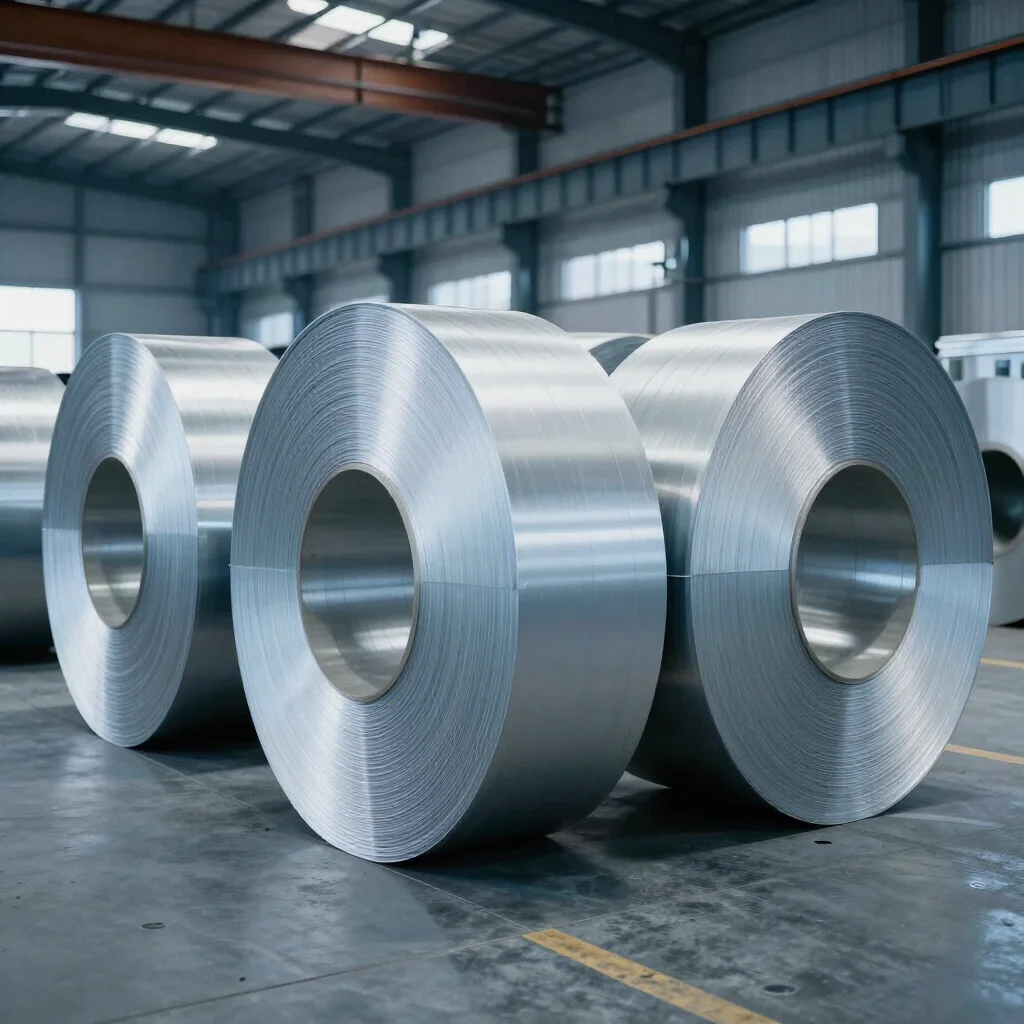
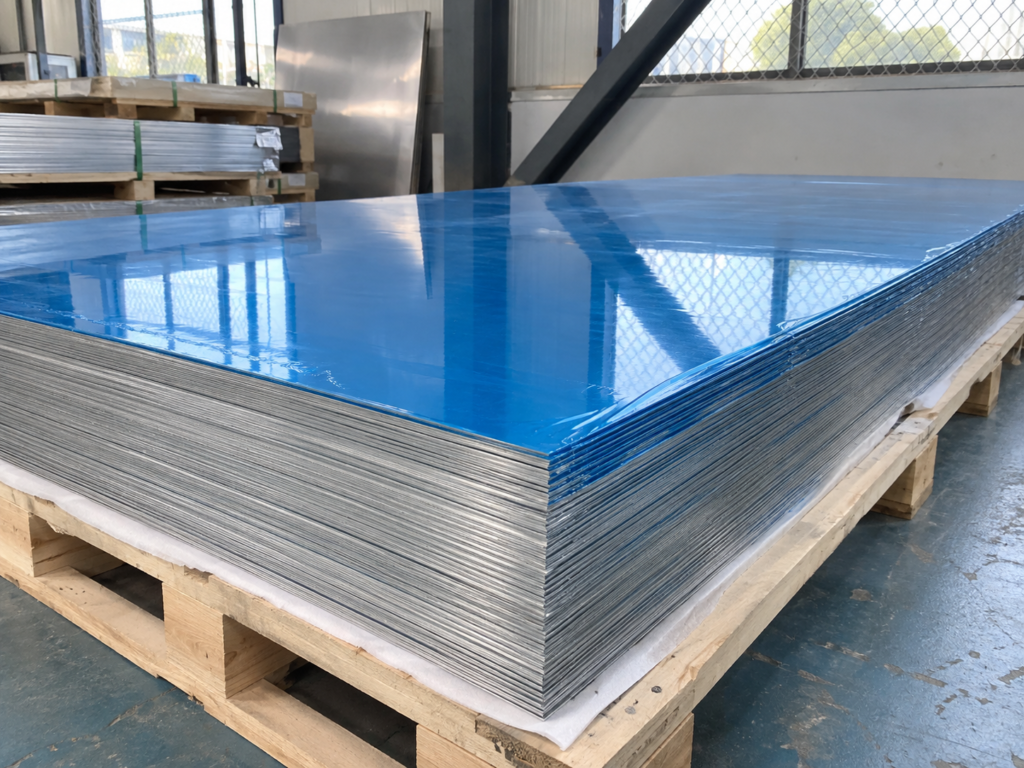
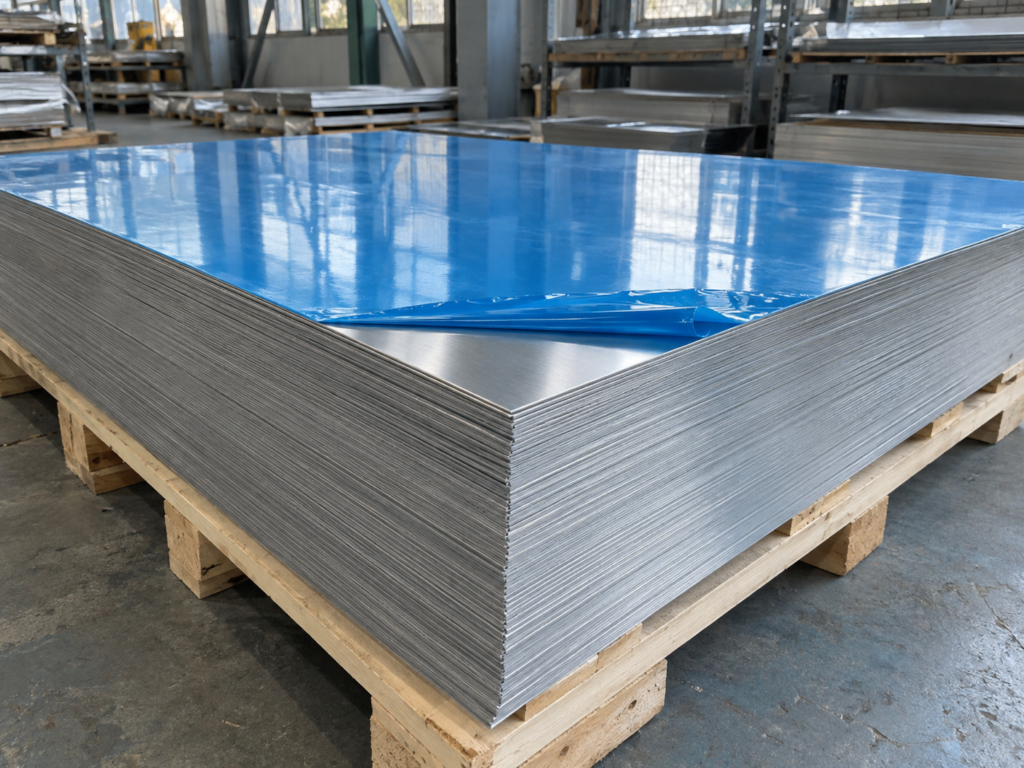
Reviews
There are no reviews yet.